
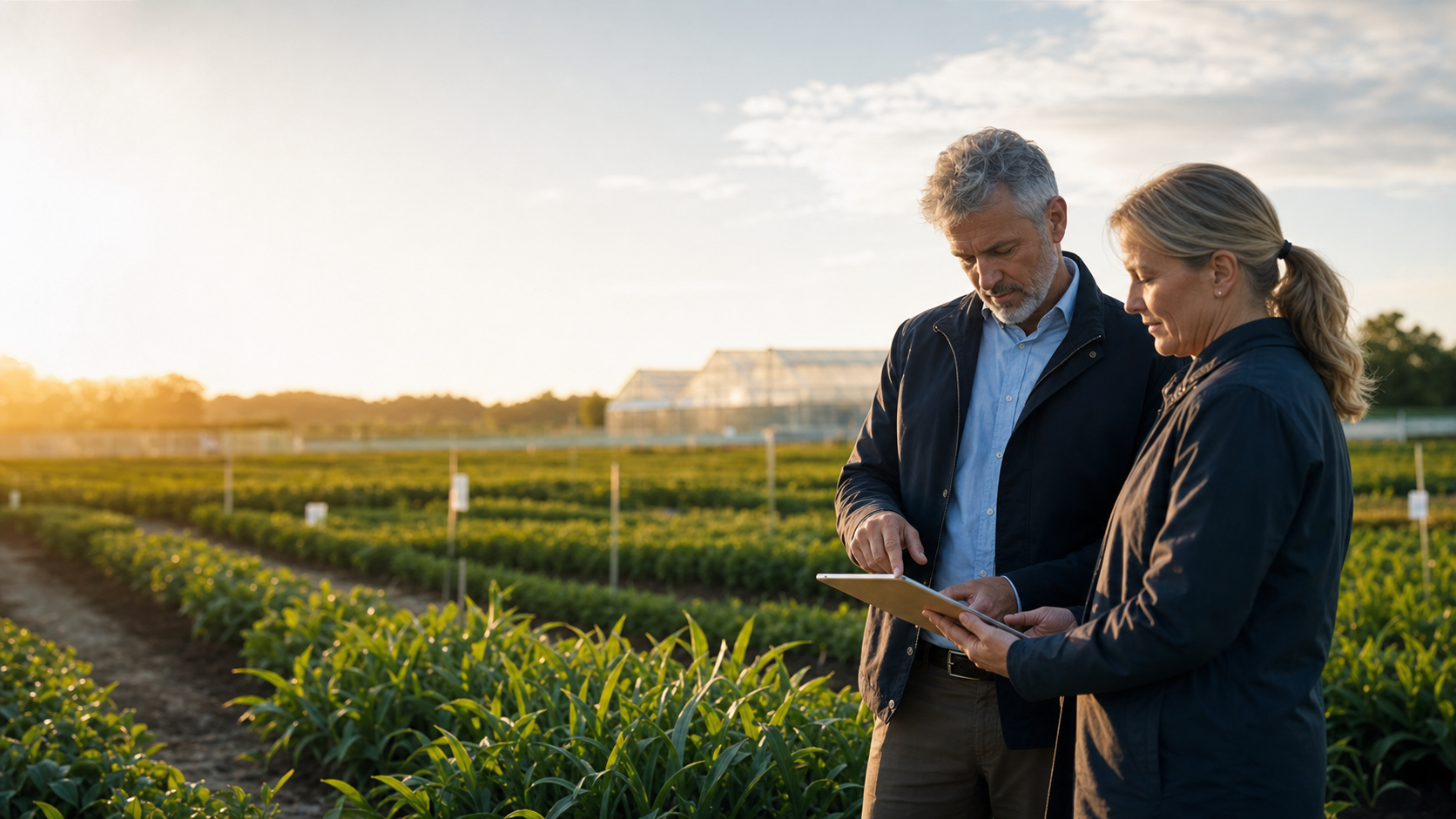
Biologicals can create meaningful differentiation in crop input portfolios, but adoption is not automatic. The market has moved beyond broad enthusiasm. Growers, distributors and technical advisers increasingly want evidence of performance, fit with existing programmes and clarity on where the product creates economic value.
Market readiness should be assessed by crop, region and use case. A biological that is compelling in high-value specialty crops may require a different proof package, service model and channel strategy than one positioned in broadacre systems. Category-level growth does not guarantee product-level adoption.
The channel plays a critical role. Distributors need confidence that the product can be explained, supported and repeated. If the biological requires technical education, specific application timing or integration with conventional chemistry, the go-to-market model must account for that cost and complexity.
A strong biologicals strategy defines where the product can win first. That means identifying crop systems with clear pain points, customers open to new modes of action, channel partners with technical credibility and regulatory pathways that do not create unnecessary delay.
The practical output should be a market readiness map: priority crops and countries, evidence gaps, partner requirements, launch sequencing and the commercial claims that can be defended in front of customers.